

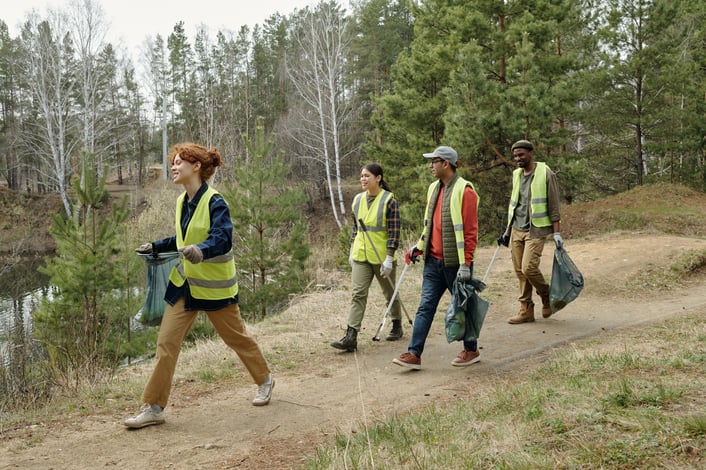
Every April 22nd, something great happens. People from all walks of life come together all across the world. Complete stangers work together to clean up the earth.
Then, life takes over. Volunteers go about their normal lives. Organizers get busy with other daily tasks. Most cleanup groups see a big turnout on Earth Day, and then its crickets... It's a very common pattern but we don't really talk about it.
However, there are some groups that move the needle. They don't treat Earth Day like a one-and-done, a finish line, or simply one day to feel good and accomplish great things. Instead, these groups treat every day, every week, and every month like its Earth Day. This is how impact is made.
The Shift That Changes Everything
Instead of asking, "How do we make this cleanup great?" the most effective organizers ask, "How do we make the next one happen?" That reframe changes everything. One event becomes two, then a quarterly routine, then something the entire neighborhood supports and gets included in.
It's not complicated to accomplish this, but it requires intention. Let's explain.
3 Things to Keep Momentum Going
Announce the next date before people leave your Earth Day event. Not in a newsletter two weeks from now. While everything is still holding their grabbers and their trash bags, feeling good about their accomplishments, let them know when the next one is scheduled. It's much easier to get people to sign up for it if they are still feeling good about what they've done. Momentum is real, but its also fragile. It's much easier to keep momentum going once you have it than trying to build it from the bottom up every single time.
Keep follow-up events low pressure. Request sign-ups but do not punish those who don't show up or who do not sign up immediately. Keep the time commitments short (2 hours is typical), keep the locations familiar, and don't make signing up a big deal. People who had a smooth first experience are more likely to come back. If people show up with no clear direction or some disorganized chaos, they probably won't.
Aim for consistency over size. Large turnouts are great, but the real magic happens with consistency. Having a handful of reliable people show up every event will out-perform a large crowd putting in minimal effort. Consistency is habit building, which is more valuable than just cleaning up a space once a year to say you helped for Earth Day.
Plan for Growth Before You Need To
If your Earth Day event goes well, more people will be excited to join the next event. That's great, but if you're not prepared, things can go south and you'll lose that momentum we talked about earlier.
Having enough tools for volunteers without launching into chaos or scrambling for help is a small logistical detail that makes or breaks the growth or the event feeling either exciting or chaotic. The groups that scale well aren't winging it. If you supply tools, make sure to have extra. Nothing drains morale more than, "Sorry, we don't have enough." and making your volunteer figure it out themselves. If budgeting is an issue, ask your volunteers during sign up if they can bring their own tools such as gloves, trash bags or buckets, grabbers, and whatever else they may need to get the job done well.
The Real Work Starts April 23rd.
Earth Day is worth celebrating. But before you pack up after this year's cleanup, ask yourself,
-
-
When is the next one?
-
Who's coming back?
-
Everything else builds from there. If you're a volunteer, keep it up! Make a goal to yourself to attend more cleanups than just Earth Day. If you're an organizer, way to go! Schedule more cleanups in advance so your volunteers have something to look forward to and can plan accordingly.